

Announcing Dr. Mark Drinkwater as Technical Advisor
2026-03-27
“VLEO opens a new orbital frontier, offering higher resolution, faster revisit, lower latency, and more sustainable Earth observation.”
Meet Dr. Mark Drinkwater, our technical advisor in mission design.
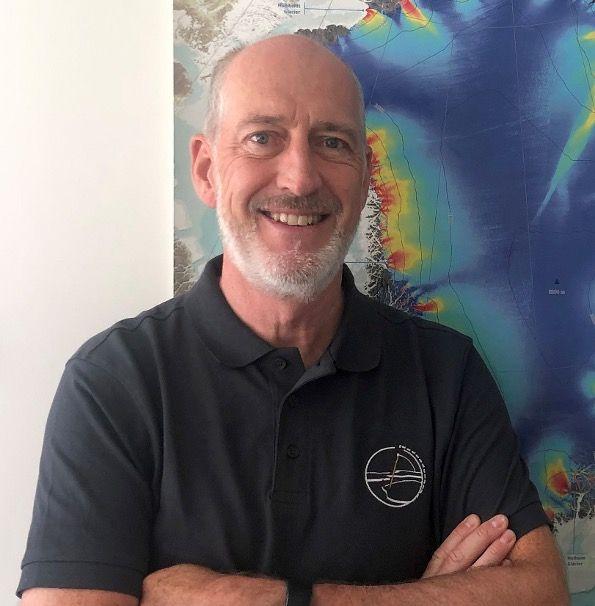
Mark Drinkwater led ESA’s Earth and Mission Science Division from 2007 to 2025, overseeing Earth Explorer mission selection and helping shape the design, development, and operation of the missions in the Earth Explorer and Copernicus Sentinel programmes.
Before this, he served as Project Scientist for several major missions, most notably GOCE —one of only two missions ever flown in VLEO. Operating at the edge of space, GOCE transformed our understanding of Earth’s gravity field, ocean circulation, and internal structure.
Earlier in his career, after earning a PhD at the University of Cambridge, he joined NASA’s Jet Propulsion Laboratory.
For NewOrbit Space, his experience as the Project Scientist with GOCE is especially relevant. As one of only two missions ever flown in VLEO, GOCE helped demonstrate the value of this orbital regime for Earth observation.
We’re proud to have Mark supporting our mission to unlock the future of VLEO.
What makes you excited about VLEO?
VLEO excites me because it pushes a new orbital frontier that offers higher resolution, faster revisit and lower latency, and supports more sustainable Earth Observation.
VLEO platforms also enable new possibilities for satellite communications and orbital intelligence, such as monitoring dynamic phenomena and targets.
GOCE was ahead of its time in many ways. Looking back, what do you think it proved about the promise of VLEO?
ESA’s GOCE mission pushed the envelope and proved that remote sensing satellites can operate up to four years in VLEO by use of advanced drag-compensating ion propulsion and aerodynamic design, paving the way towards a new era of low-flying satellites.
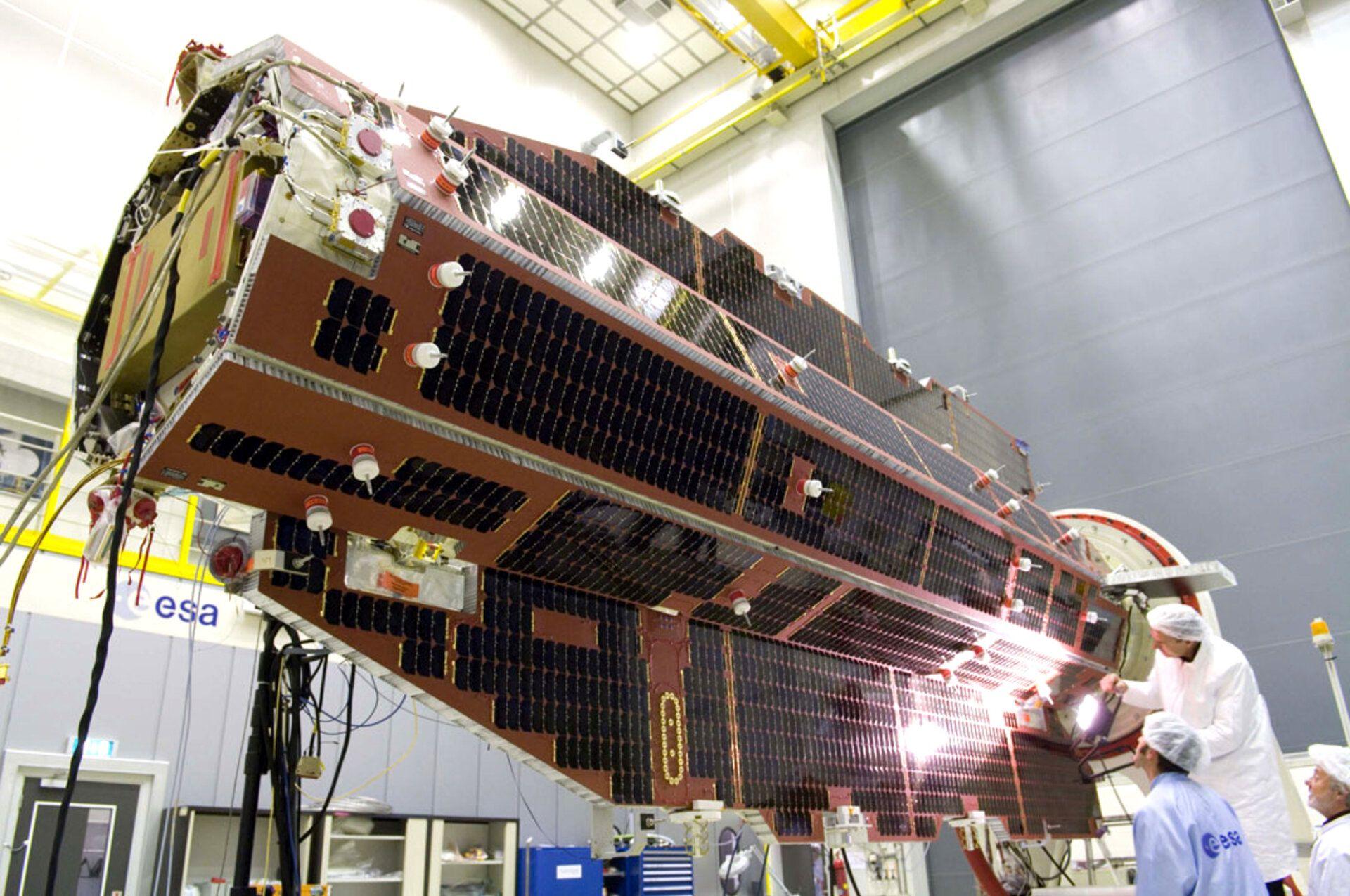

The GOCE Satellite
Based on your experience, what aspect of designing successful VLEO missions is still most underestimated?
Robust and resilient end-to-end satellite and ground system design is essential for VLEO mission success.
The satellite must withstand VLEO’s harsh corrosive conditions, be equipped with agile propulsion, attitude control to counter orbital drag variations, and with a platform offering the power and stability to support payload operations.
How do you see VLEO changing what is possible for Earth observation missions in the years ahead?
Development of a VLEO capability enables Earth observation to pivot away from the increasingly congested LEO orbit and ultimately offers a more sustainable solution.
Ultra-low orbit opens the door to high-resolution imaging from optical and radar payloads, as well as low-latency communications delivering near-real-time intelligence for security, environment and disaster response.
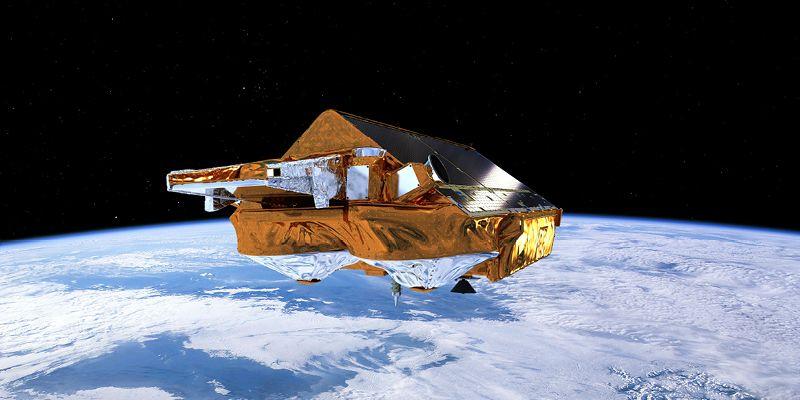
ESA's Earth Explorer CryoSat Satellite