

Announcing Dr. Paolo Ferri as Technical Advisor
2026-04-03
“Flying spacecraft in VLEO is like exploring a new world, full of technical and operational challenges. Extremely exciting.”
We’re proud to introduce Dr. Paolo Ferri, advisor and reviewer at NewOrbit Space!

Dr. Paolo Ferri is one of Europe’s most accomplished space operations leaders. As the former Head of ESA Mission Operations, he oversaw operations across ESA’s unmanned missions, helping guide some of the agency’s most ambitious programmes.
Best known as Flight Director of Rosetta, Ferri also held senior roles on landmark missions including Mars Express, Venus Express, BepiColombo, and the GOCE VLEO mission.
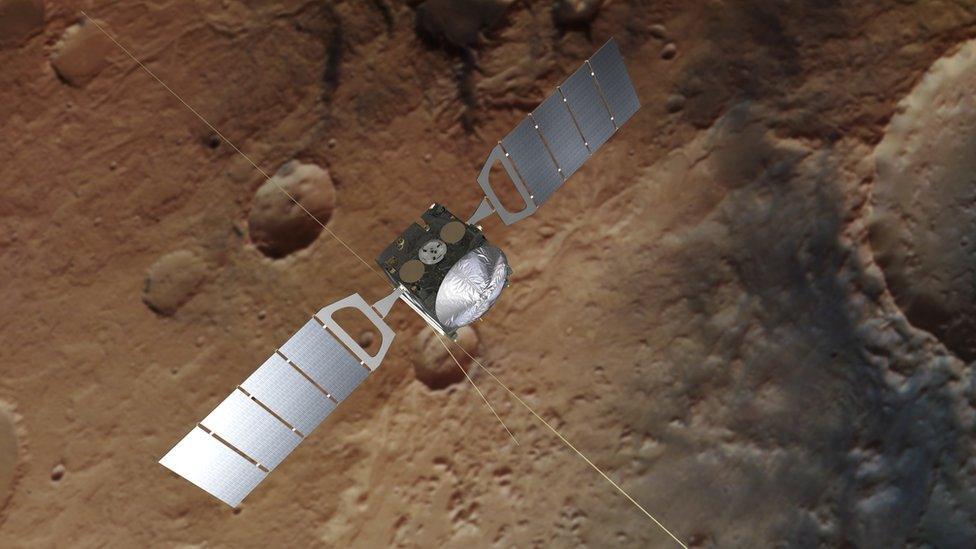

Mars Express Mission
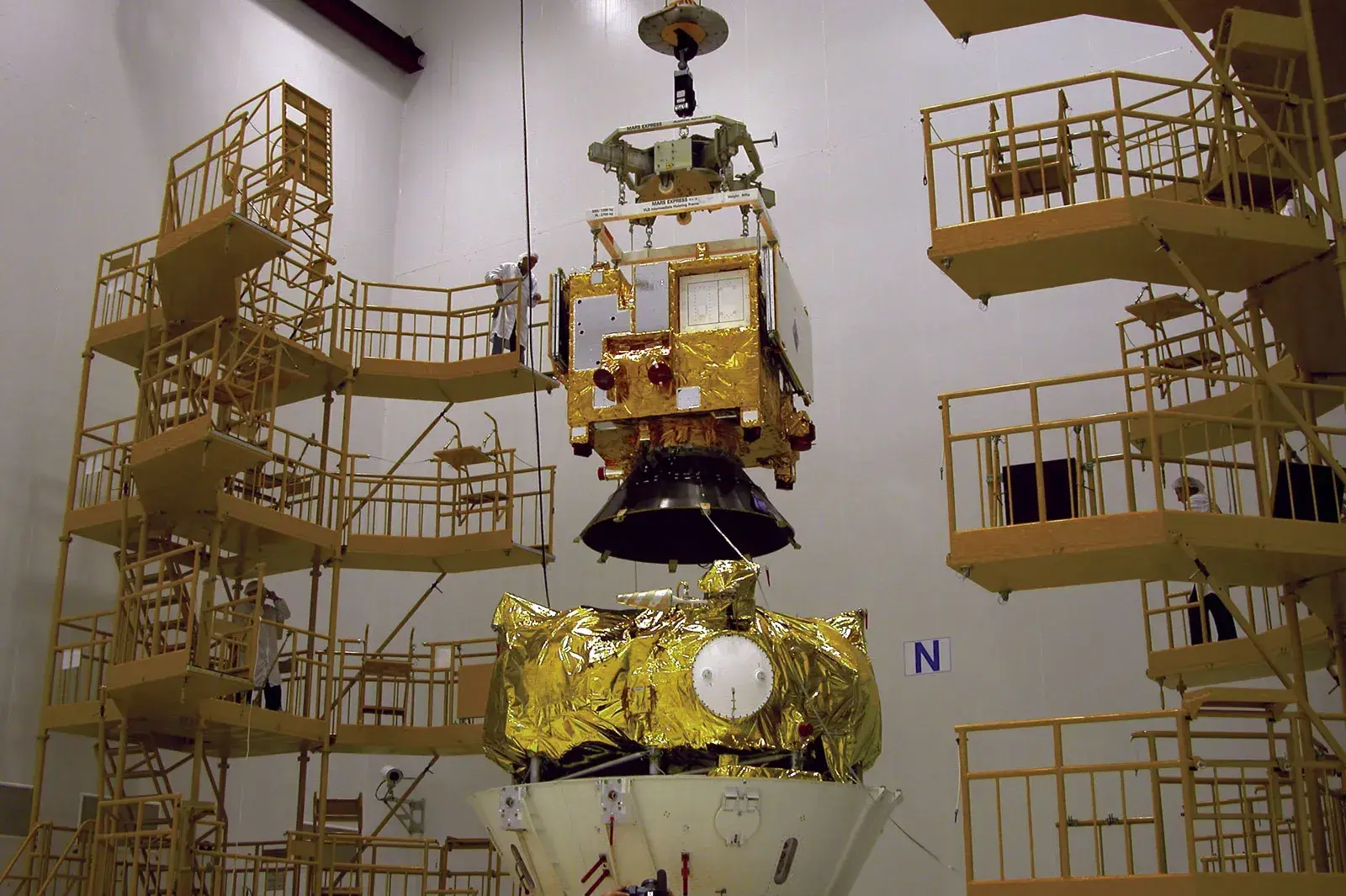
Venus Express Mission
His work in space mission operations was recognised with SpaceOps’ Lifetime Achievement Award in 2023 and by his induction into the International Astronautical Federation Hall of Fame in 2015.
For NewOrbit Space, his experience with GOCE is especially relevant. As Europe’s first and only VLEO mission, it demonstrated that spacecraft can operate safely in this regime over extended periods.
We’re proud to have Paolo supporting our mission to unlock the future of VLEO.

The Rosetta Mission, landing on comet 67P/Churyumov–Gerasimenko
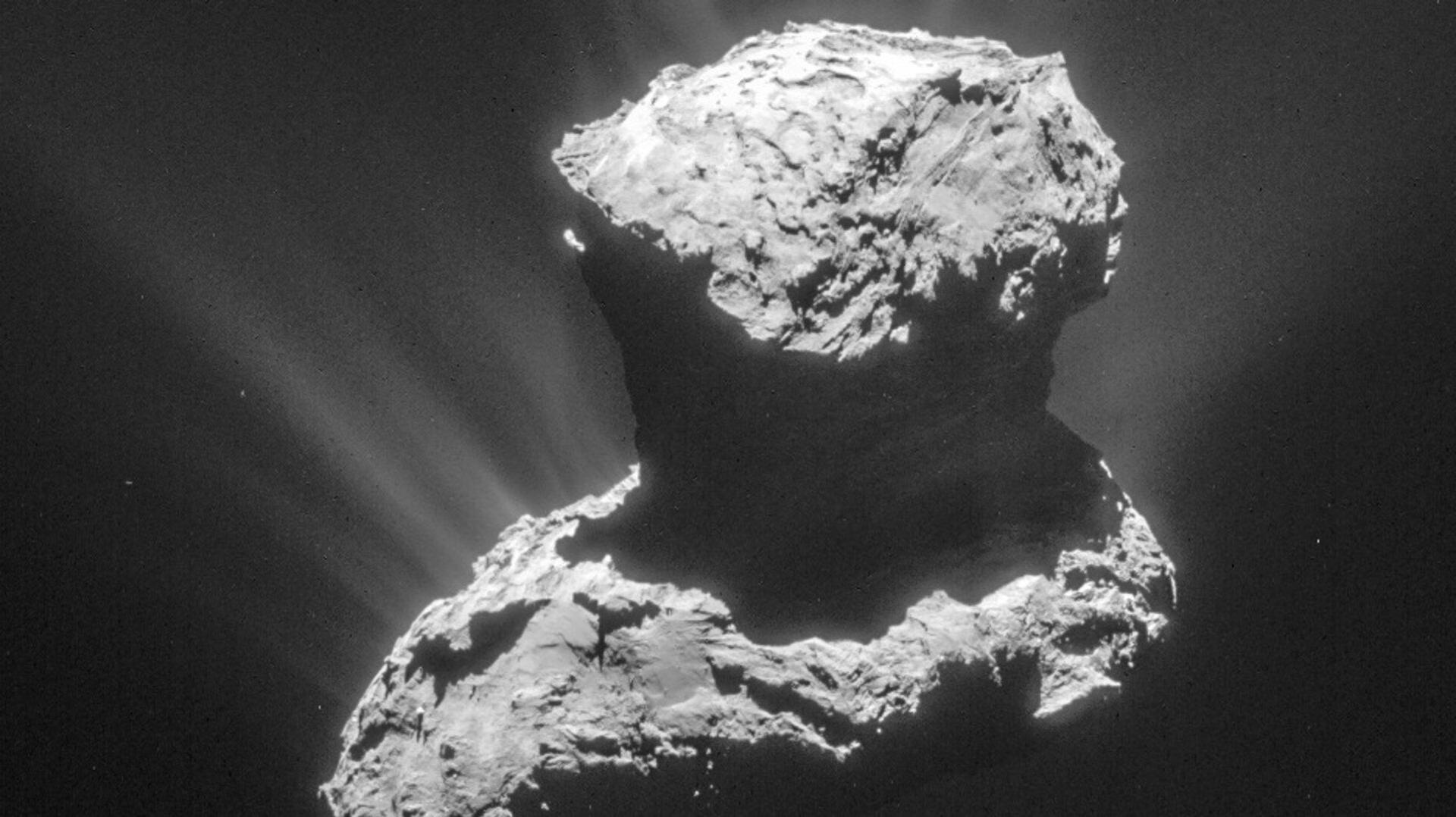
Comet 67P/Churyumov–Gerasimenko
What makes you excited about VLEO?
VLEO is the border between the atmosphere and space. It is an almost completely unknown environment, too high for atmospheric flight, but also considered too low for spaceflight.
Flying spacecraft in VLEO is like exploring a new world, full of technical and operational challenges. Extremely exciting.
GOCE was a pioneering mission in very low Earth orbit. Looking back, what do you think it proved about the potential of VLEO?
GOCE was the first true VLEO mission for Europe. From its flight we gained an enormous amount of experience and knowledge. It was only one mission, but it proved that it is possible to safely operate in VLEO over extended periods, and even to recover from serious anomalies.
What do you think is underestimated about operating missions in VLEO?
One might consider spacecraft in VLEO like normal Earth observation spacecraft, only flying a couple of hundred km lower. On the contrary, flying in VLEO is very different: orbits are rapidly decaying, small anomalies can easily develop into serious problems; therefore, the spacecraft requires frequent monitoring and quick intervention to correct any developing issue.
BepiColombo, a Mercury Mission