






NewOrbit Logo
NEO-1
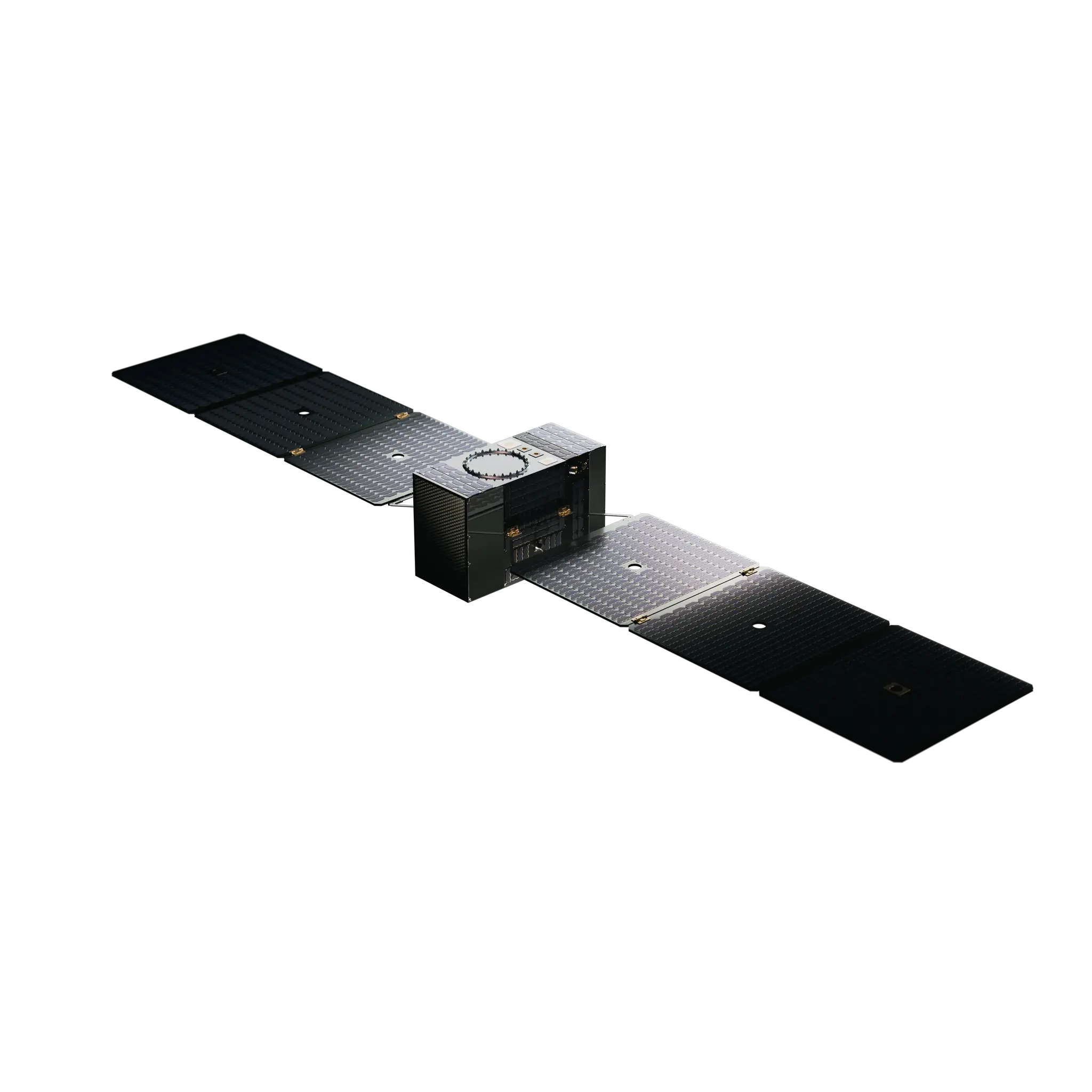
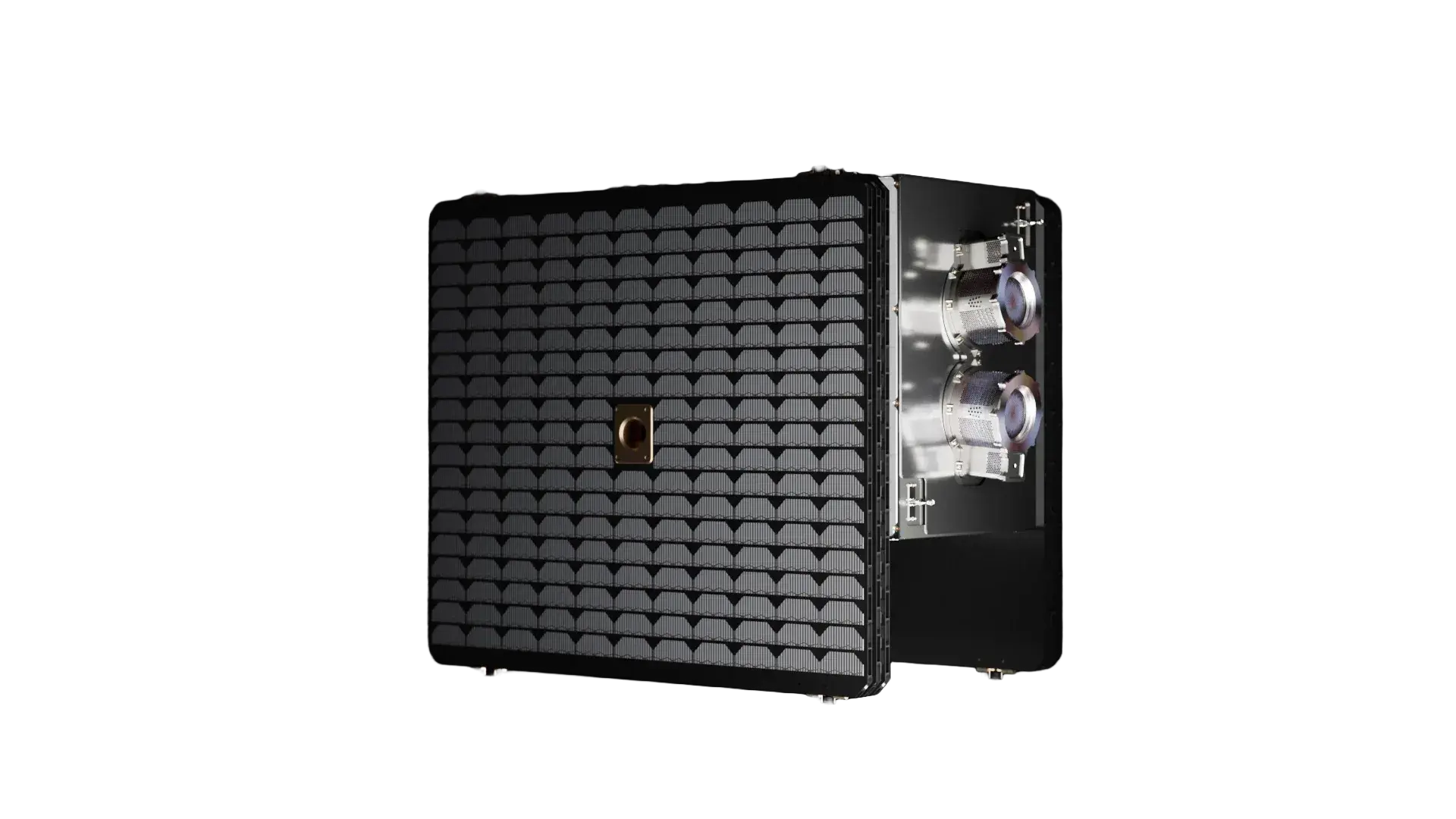
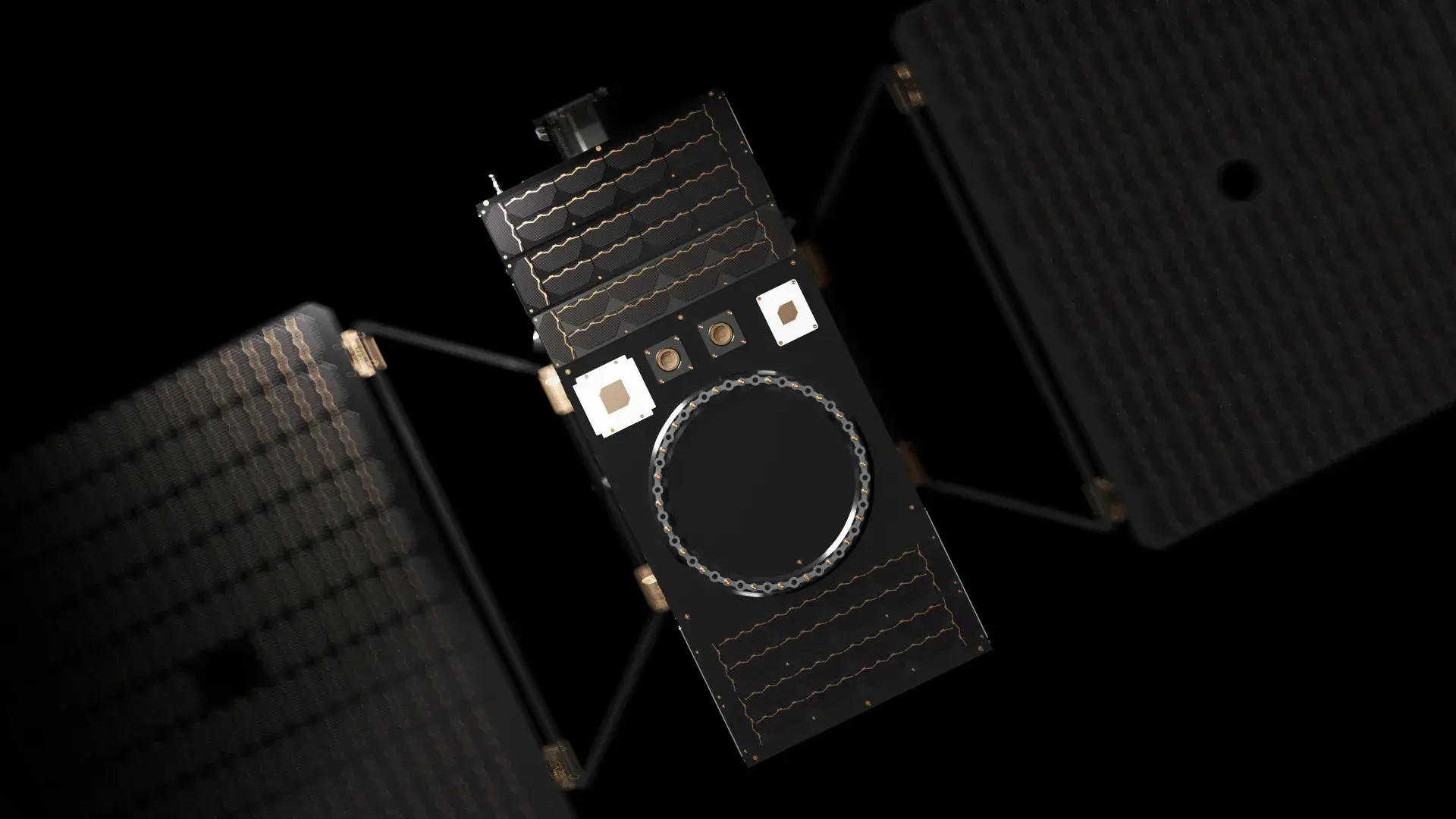
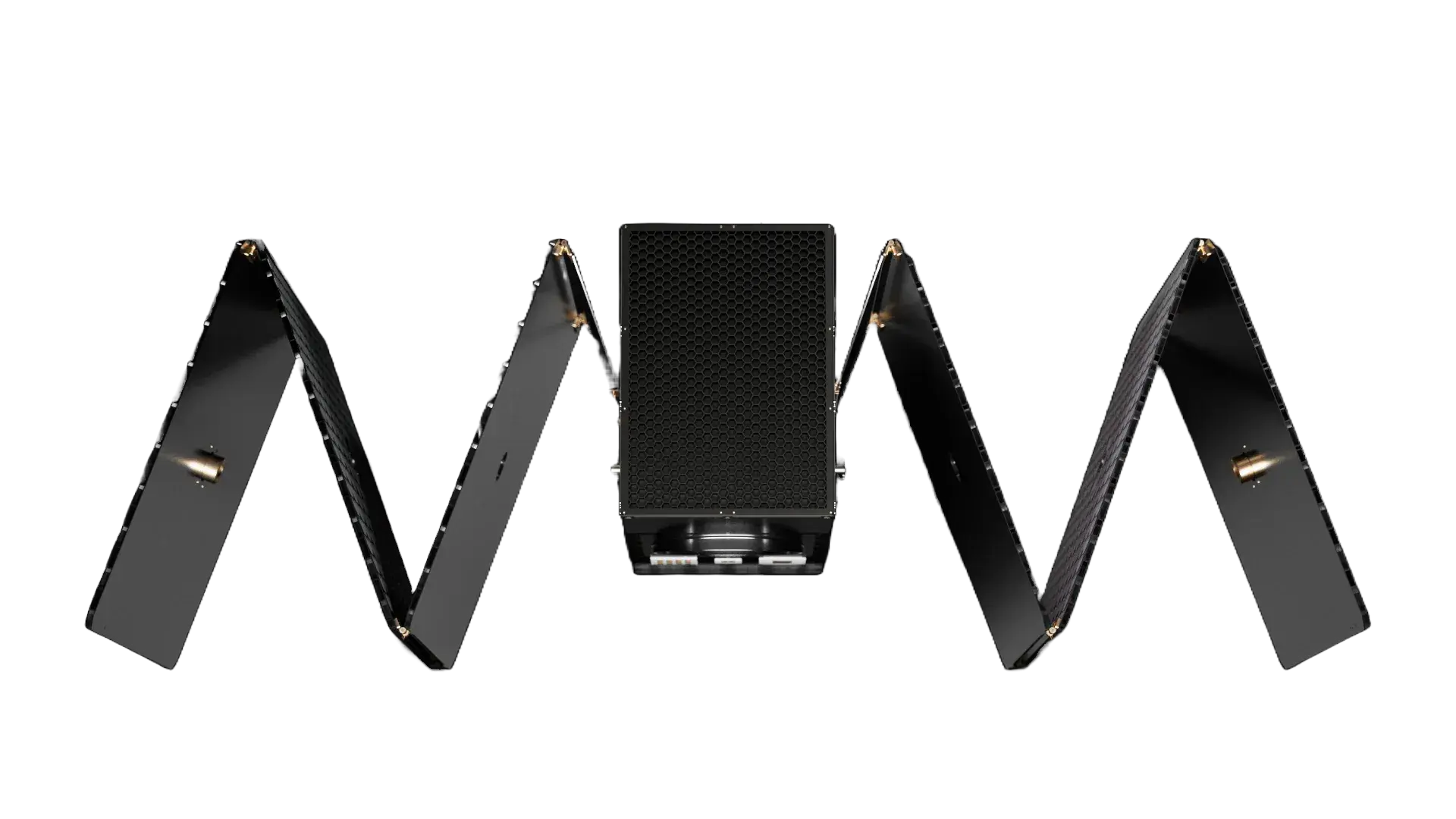
NEO-1 Spacecraft

Engineering for the lowest orbits.

Very Low Earth Orbit is now accessible. Where others can't fly, NEO-1 thrives — delivering next-level imaging, global connectivity, real-time data, and redefining what's possible in orbit.

Payloads NEO-1 was built to host.

High-resolution Earth observation.

High-resolution Earth observation.

NEO-1 turns altitude into resolution. Optical and IR instruments hosted at 200–300 km resolve detail higher orbits cannot reach — for maritime awareness, disaster response, infrastructure monitoring and defence. See critical infrastructure with greater clarity.

Low-Power Synthetic Aperture Radar.

Low-Power Synthetic Aperture Radar.

For Synthetic Aperture Radar (SAR) operators, NEO-1 cuts the power budget. Operating closer to Earth means smaller apertures and lower transmit power for the same all-weather, day-night imaging — making proliferated SAR constellations viable at a fraction of the conventional cost.

Direct-to-device telecommunications.

Direct-to-device telecommunications.

For telecom operators, NEO-1 closes the link to handheld devices. Hosting D2D payloads at one-third the altitude of conventional satellites means smaller terminals, lower power, and bandwidth that begins to rival terrestrial 5G — without specialised user equipment.

Weather and atmospheric science.

Weather and atmospheric science.

For meteorological and climate payloads, NEO-1 reaches a layer of the atmosphere that higher orbits cannot sample directly. GNSS-RO receivers, hyperspectral sounders and aerosol instruments hosted on NEO-1 give operators sharper data for hurricane, flood and wildfire forecasting.

RF and signals intelligence.

RF and signals intelligence.

For RF and SIGINT payloads, proximity boosts sensitivity. NEO-1's altitude raises received signal strength enough that smaller, lower-power receivers can perform missions that previously required much larger satellites. Detect weaker signals from lower orbit.

Why flying lower isn't easy.

Number 1

Atmospheric Drag

The closer to Earth, the thicker the atmosphere, the faster orbital decay. While conventional satellites stay in space for decades, Very Low Earth Orbit satellites re-enter the atmosphere within weeks, requiring constant orbit correction using propulsion. Until now, the propellant needed to correct the orbit made operations at these altitudes impossible.

Number 2

Atomic Oxygen

Not all materials can survive in Very Low Earth Orbit. Atomic oxygen reacts with surfaces and electronics, quickly degrading them, damaging payloads, and shortening the satellite’s lifespan.

Number 3

Aerodynamic Torques

In Very Low Earth Orbits, even minor asymmetries generate unwanted torque, making precise, controlled flight an engineering challenge.

HowNEO-1staysclose.

Each challenge above has an answer engineered into NEO-1: AURA for drag, atomic-oxygen-tolerant materials for oxidisation, and aerodynamic symmetry for torques.

Defeating Drag

Built for efficient, sustained operation in Very Low Earth Orbit, AURA is our breakthrough xenon-driven propulsion system. It delivers four times higher specific impulse than typical alternatives, achieving the same capabilities with four times less propellant.

Defeating Drag

Engineered to Endure

At VLEO altitudes, atomic oxygen aggressively degrades exposed surfaces and electronics. NEO-1's structural alloys and exterior architecture are selected and laid out to resist this degradation — protecting the platform, the payload and the five-year mission life.

Engineered to Endure

Symmetry and Stability

In VLEO, even minor geometric asymmetries generate unwanted torque. NEO-1's symmetrical geometry, forward centre of mass, and precision ADCS neutralise aerodynamic torque — giving hosted payloads the pointing stability they need.

Symmetry and Stability

AURA, your answer to drag.

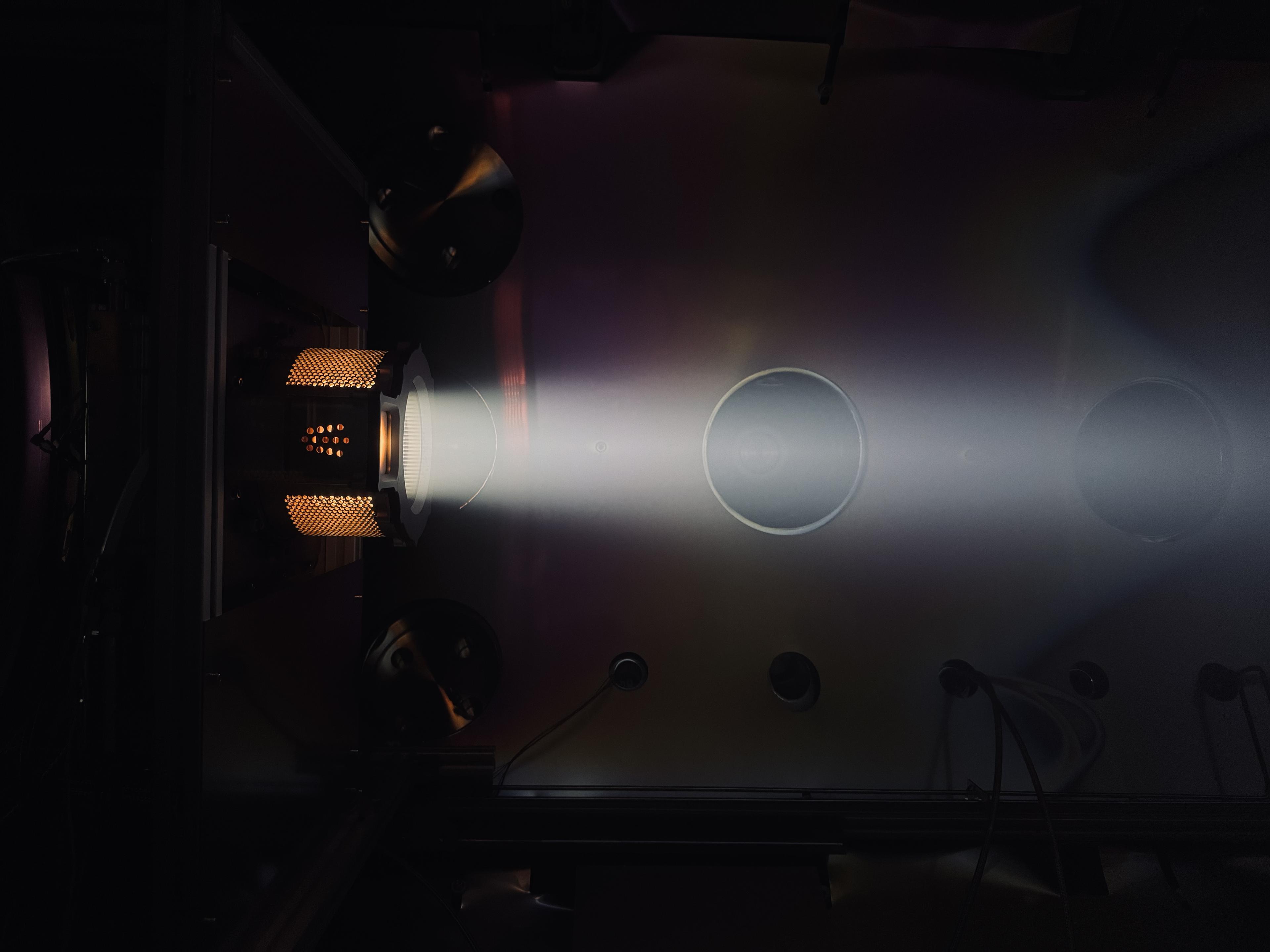
AURA is our in-house electric propulsion system, in development since 2021 and now in its seventh generation. It uses a radio-frequency thruster and a proprietary cathode to deliver four times the specific impulse of conventional electric propulsion. That difference is what makes a five-year mission at 200–300 km possible.

Builttofightdrag,everysecond,forfiveyears.

Staying in Very Low Earth Orbit means thrusting against the atmosphere for an entire mission. AURA was designed for exactly that.

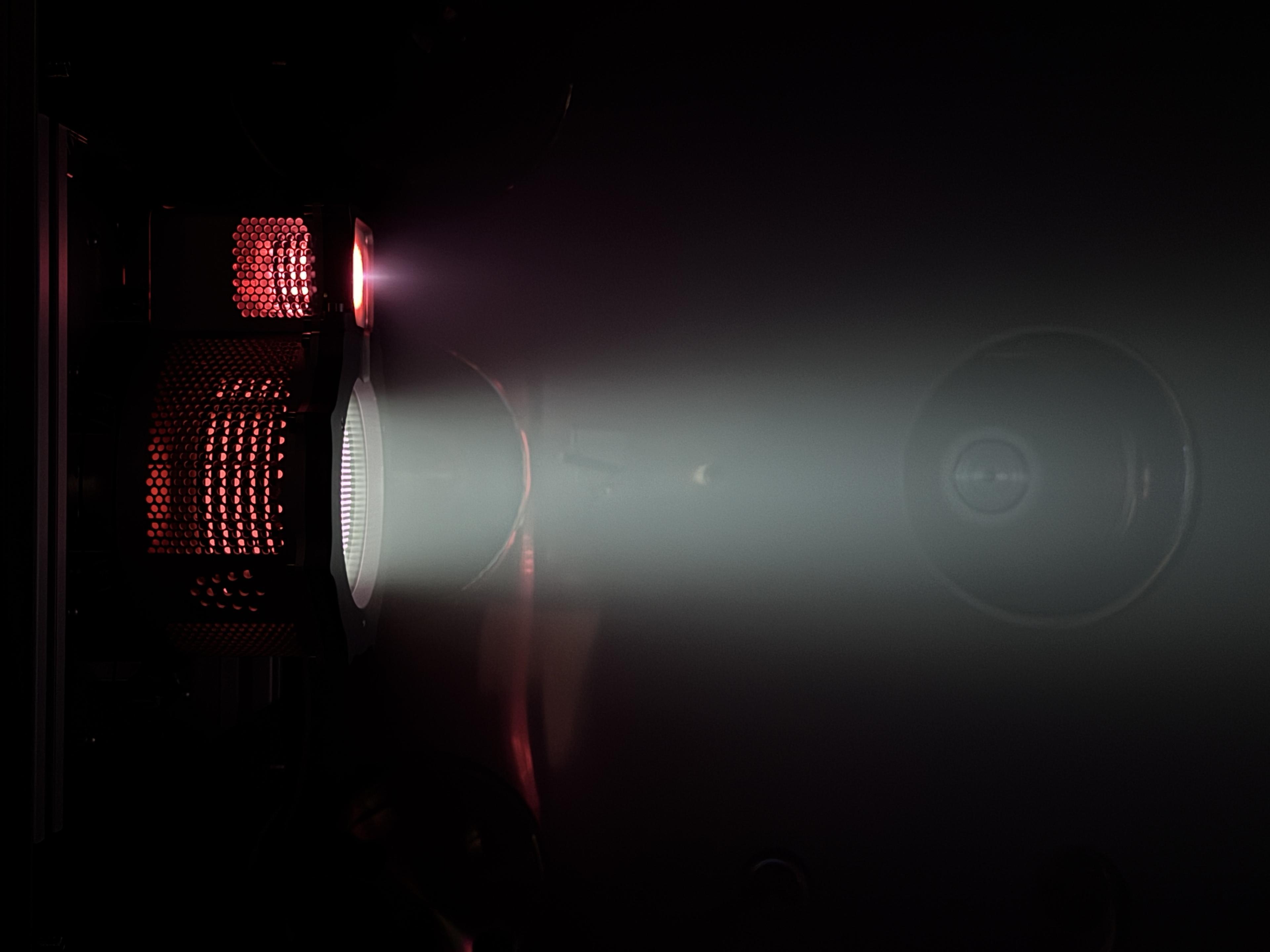
AURA engine firing on Xenon
Firing on Xenon

Extreme Fuel Efficiency

Below 300 km the residual atmosphere drags on the spacecraft every second of the mission. Countering it for five years demands extreme fuel efficiency. AURA delivers specific impulse up to 4,000 s, and is designed for a total impulse of 1 MN·s.
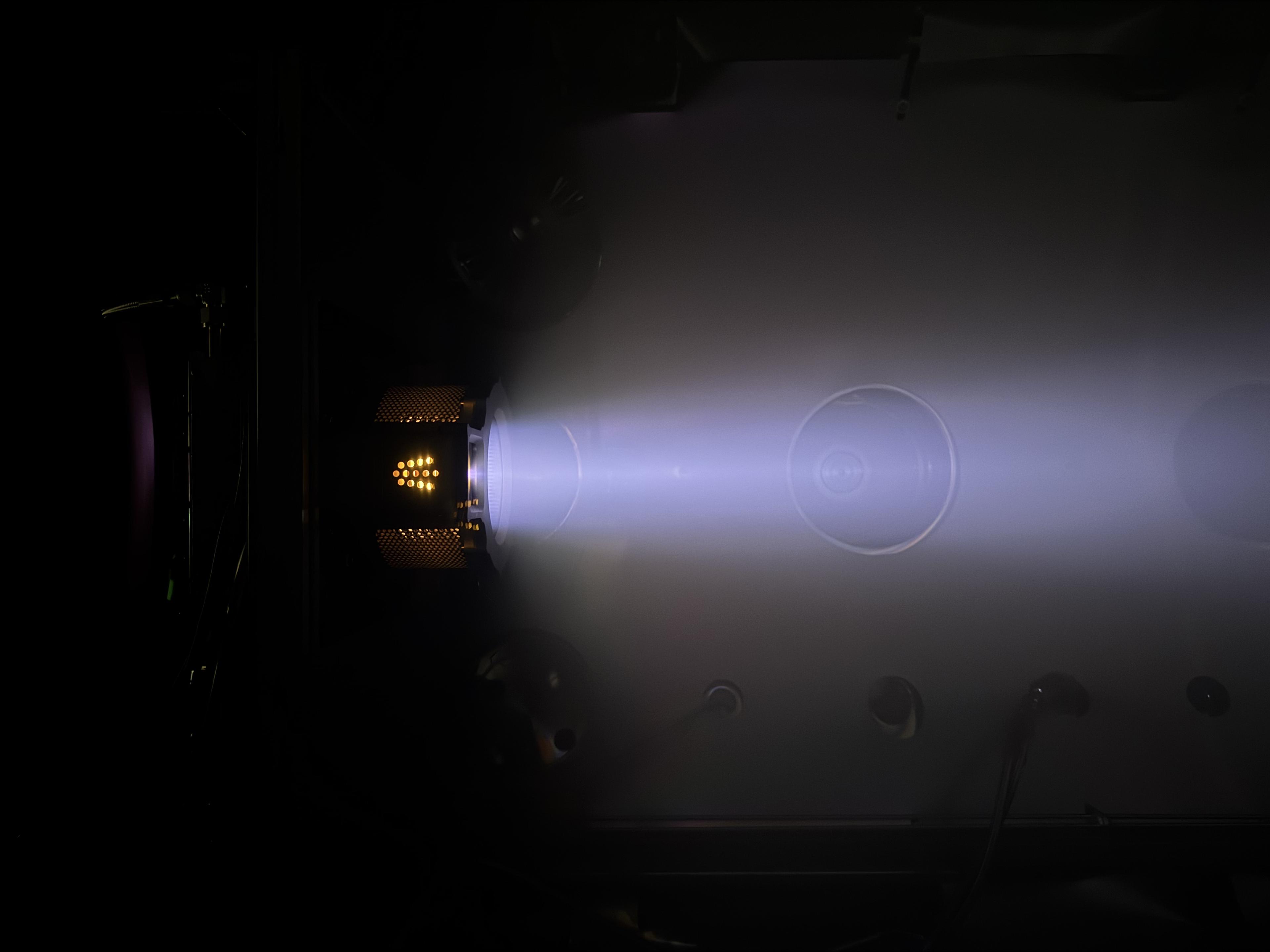
AURA engine firing on Krypton
Firing on Krypton

Infinite Cycles

A VLEO mission requires thruster firing in almost every orbit. AURA is capable of more than 30,000 on/off cycles: no filament, no thermionic emitter, nothing to wear out.
AURA engine firing on Air
Firing on Air

Complete AO Tolerance

Atomic oxygen erodes conventional cathodes. AURA’s RF cathode operates entirely on oxygen, making it resistant to the most aggressive component of the VLEO environment. The ion-optical system uses corrosion-resistant materials that form a stable protective oxide layer, preventing progressive atomic-oxygen erosion. The thruster has demonstrated stable performance over more than 1,000 cumulative operating hours in pure oxygen plasma, with no visible degradation of the grids.

Completely propellant agnostic.

One engine, tested on xenon, air, oxygen, nitrogen, krypton and CO₂

We’ve been perfecting this engine for the last five years.

2025 Milestone

2025
Pre-flight Generation

7th engine generation - fully integrated unit designed to pass pre-launch tests.

2024 Milestone

2024
Optimized Performance

6th engine generation with built-in electronics and control algorithms.

2023 Milestone

2023
Integrated Propulsion

4th generation of the engine with integrated electronics, passes continuous 24-hour operational tests.

2022 Milestone

2022
Stable Operation

3rd generation which demonstrated stable and efficient operations.

2021 Milestone

2021
First Ignition

Demonstration of the first NewOrbit engine.

Defeat drag with next‑generation Electric Propulsion